A-1 or A++? What Punjab’s 2026 Matric Result Shows
If you open your 10th class result on 6 August 2026 expecting an A++, you will not find one.
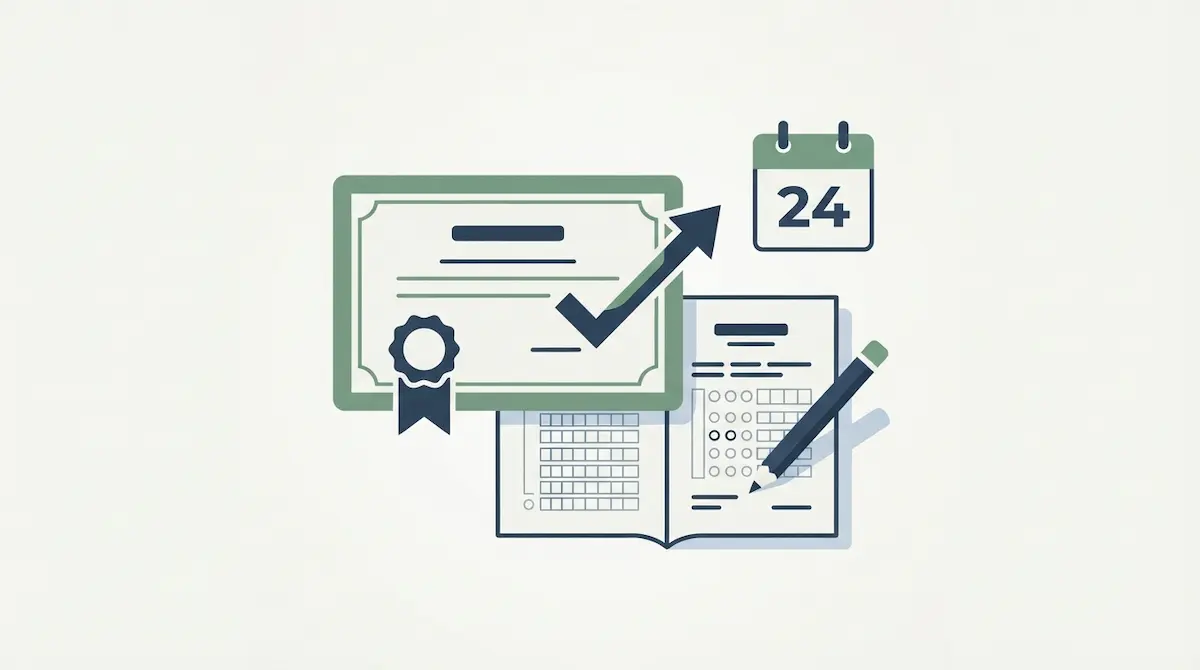
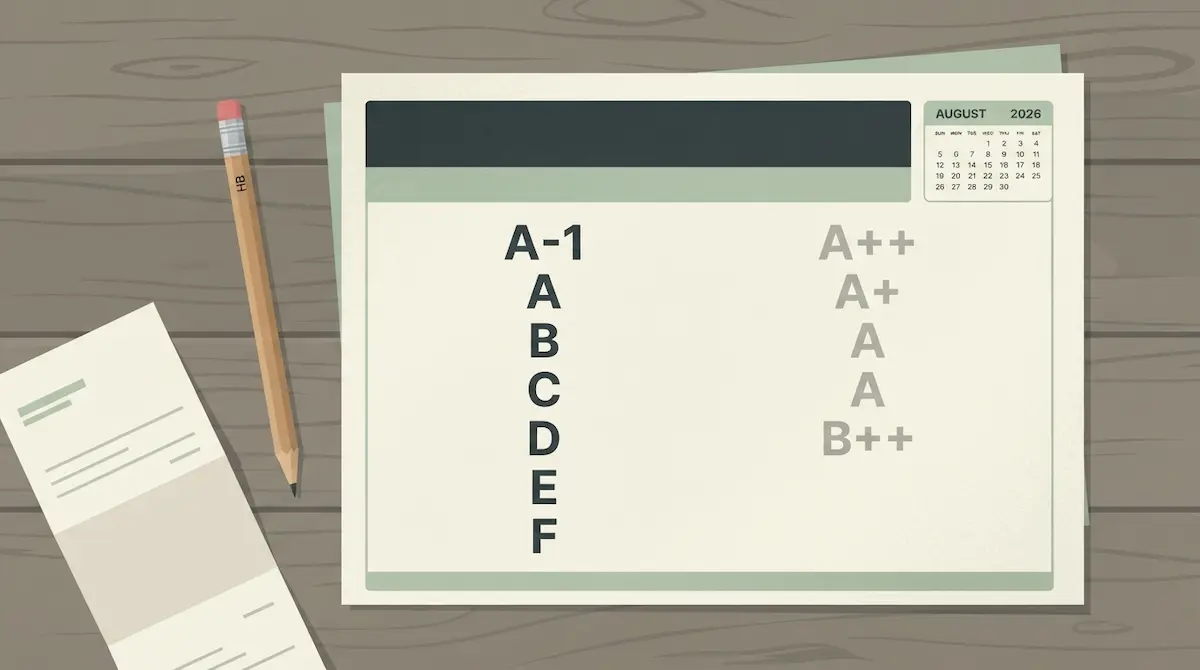
Punjab’s SSC Part-II result this year is reported on the older seven-grade scale: A-1, A, B, C, D, E, F. The A++ scale exists, it is real, and it is already live in Pakistan — but not for your class, and not this year.
The grade bands on your 2026 result card
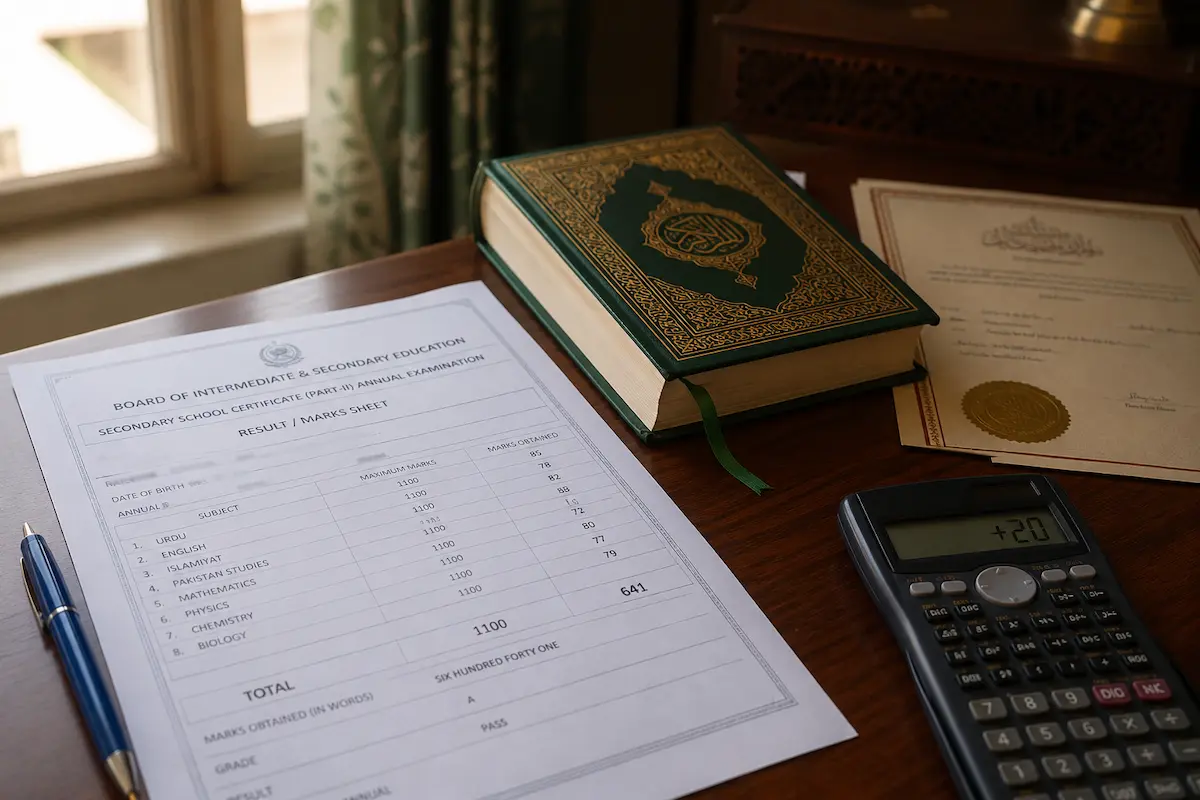
Punjab boards award the overall grade on your aggregate percentage, out of a combined 1100 marks for Part I and Part II.
| Grade | Percentage | Marks (of 1100) |
|---|---|---|
| A-1 | 80% and above | 880+ |
| A | 70 – 79.99% | 770 – 879 |
| B | 60 – 69.99% | 660 – 769 |
| C | 50 – 59.99% | 550 – 659 |
| D | 40 – 49.99% | 440 – 549 |
| E | 33 – 39.99% | 363 – 439 |
| F | Below 33% | Under 363 |
A-1 is the ceiling. There is no A+ in the Punjab matric scale — that grade belongs to the Federal Board’s version. A student on 1015 marks and a student on 890 both carry A-1, which is why colleges rank on matric percentage rather than the letter.
Why A++ isn’t on your card
The Inter Boards Coordination Commission replaced the 7-point scale with a 10-point one — A++, A+, A, B++, B+, B, C+, C, D, U — and set the pass mark at 40% under that scheme. Rollout is staged over three years, finishing in 2028.
Phase one, from the 1st Annual Examination 2026, covers Grade 9 and Grade 11 only. Grade 10 and Grade 12 move across in 2027.
So the students sitting 9th class in Punjab right now will collect A++ style grades on 2 September. You, sitting Part-II, will not. Your passing mark stays at 33% for the same reason.
The two cases where this trips people up
Improvement and re-appearance. If you sit a 9th class paper again after receiving your Part-II result, IBCC’s rule is that the grading scheme of your original examination applies — not the newer one. Your marksheet stays internally consistent.
October supplementary. Second annual candidates from the 2026 cycle remain on the same scale as the annual result. A supply pass in December will not arrive graded on a different system.
What colleges will do with it
IBCC has told HEC, PEC and PMDC that during the transition, admitting institutions may work from either the reported grades or the raw scores. For 2026–27 intermediate admissions in Punjab, that means raw marks and percentage. Grade-only admission decisions are not expected until the scheme is fully adopted, with a tentative shift to CGPA-based selection around 2029.
Practical effect: fill your college and OCAS forms with marks and percentage. If a form asks for a grade, write A-1 or A as printed — never convert it into an A++ equivalent yourself. An incorrect self-conversion on an admission form is treated as a mismatch against your DMC.
2027 is the year to watch
Next year’s 10th class group gets the new card: ten grades, 40% pass, descriptors instead of divisions, and grade points printed alongside. IBCC has confirmed boards will print an explanation of the criteria on the result slip, and that certificate design changes will be announced by each board. Paper pattern, syllabus and difficulty stay unchanged.
FAQs
Is there an A+ in Punjab matric 2026?
No. The scale runs A-1 down to F.
What percentage is A-1?
80% and above — 880 marks out of 1100.
Will my certificate be reissued under the new scale later?
No. Certificates carry the scheme in force at the time of examination.
Does my 9th class A++ mix with a 10th class A-1?
Not for the 2026 Part-II group — both your parts sat under the old scheme.